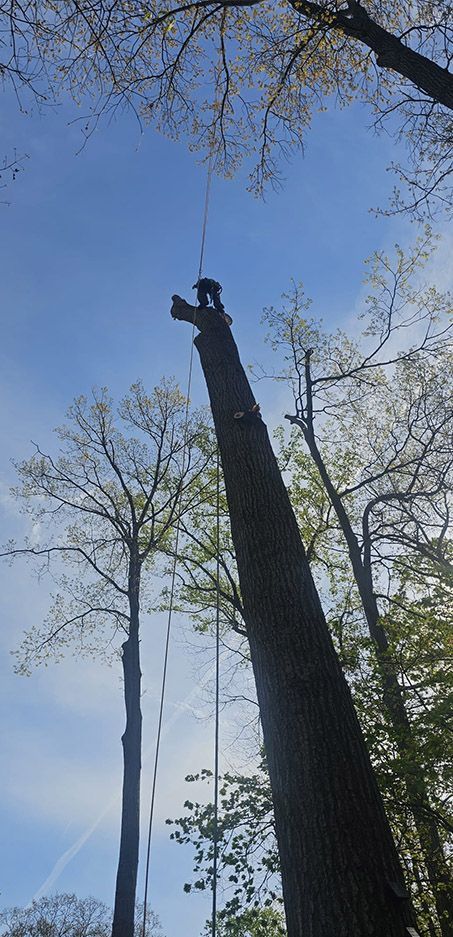
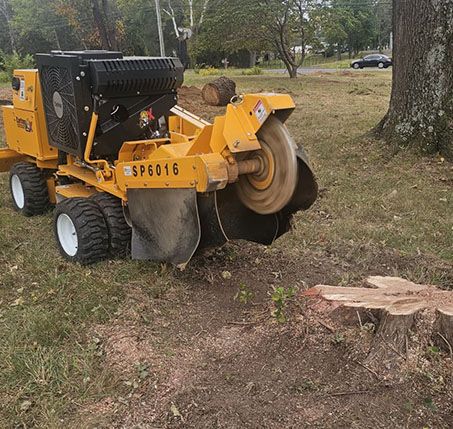
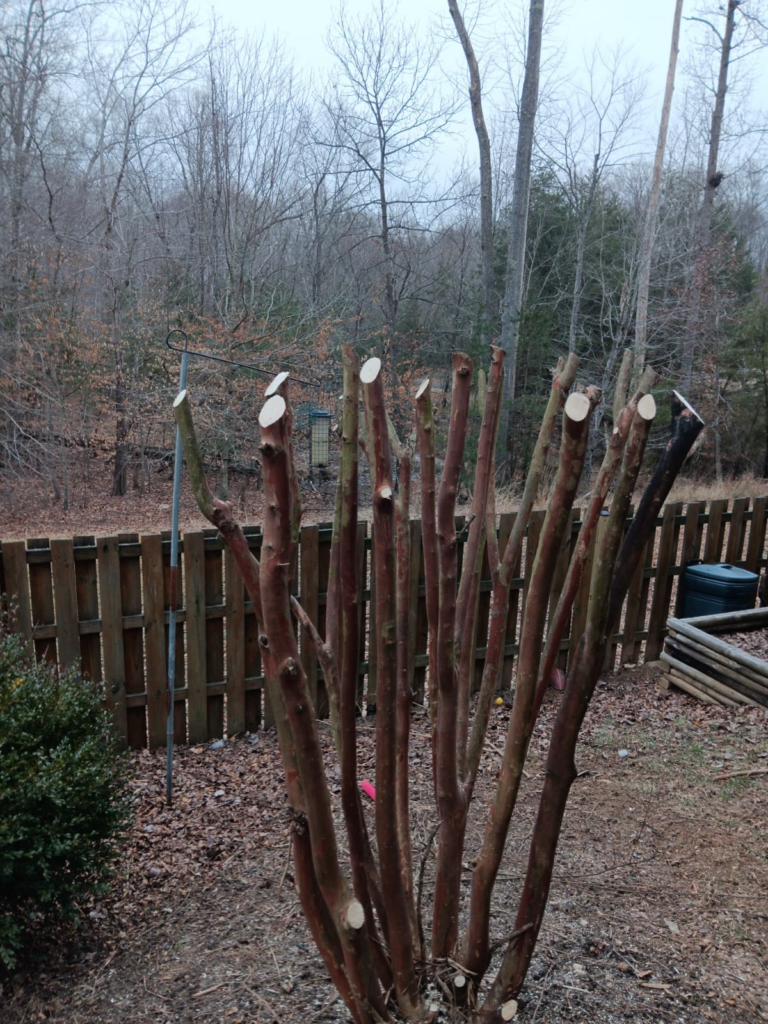
Height: Height can be a complex factor. For an arborist service, everything is evaluated based on the time invested at the job site. It may take a climber slightly longer to ensure proper positioning when working at great heights. In Northern Virginia, tall tulip trees (Liriodendron tulipifera) can reach heights of up to 140 feet. Most tall poplars range between 80 and 120 feet in height. Climbers working at these altitudes typically double-check everything.
Size: The standard method for measuring a tree’s diameter is at chest height. DBH (Diameter at Breast Height) is the conventional method for measuring trunk diameter. Tree size is a decisive factor when determining the price. A small tree might cost the company’s minimum fee—or even less—if the arborist company is already working in the area. The greater the weight of the tree, the higher the disposal fees will be at recycling facilities. Furthermore, handling large-sized timber requires the use of specialized equipment.
Condition: The condition of the tree influences the amount of time that must be dedicated to the work on-site. If a tree is in poor condition, its structural integrity may be precarious. This is crucial because, when a climber is high up in the tree, every cut generates a multitude of forces. When cutting a tree, it may sway slightly; if its structural integrity is weak, this could cause the tree to collapse. Even the weight of the climber themselves could fracture a branch if it is severely weakened. Skilled climbers possess the technical knowledge and experience necessary to discern which branches might break under load.
Tree Species: This factor comes into play due to differences in wood density and weight across different species. For example, the black oak (Quercus velutina) is one of the heaviest woods in the region. A large black oak could weigh thousands of pounds in its vertical shaft alone (the trunk of the standing tree). The company may charge you a higher fee, as they, in turn, must pay higher costs for waste disposal. When disposing of large volumes of wood, costs at processing facilities can be quite high, given that fees are calculated per pound of weight.
Number of Trees: As more trees are added to the project, the total budget cost increases. However, as you add more trees, there may be some room for negotiation regarding the price. This is where the estimator might be willing to reach an agreement. If the work crew must travel to your property, this incurs travel expenses for the company. But if the crew is already on-site, including an additional tree could lower the individual cost of removal per tree. This will depend on the discretion of the arborist performing the assessment.
Location: If the tree is located in the front of the property, this facilitates the crew’s work, thereby expediting the job’s execution. Conversely, if the tree is situated far from truck access points, it will increase the time spent at the job site. The cost of removal will rise due to the difficulty of access. Slopes or uneven terrain can also add time to the removal process. If a worker must carry wood uphill, this task will also require additional time.
Obstacles: The presence of obstacles situated beneath the tree will increase the time required to carry out the removal. Common obstacles include power lines, utility lines, fences, homes, railings, septic drain fields, and similar elements. When an arborist climbs a tree, these obstacles influence the rigging system they use to perform their work. Climbing arborists employ rigging equipment—such as pulleys and rings—to support large sections of branches and wood once they have been cut. Emergency Tree Removal: This is an obvious factor. If the company is required to visit your property outside of regular business hours, this will result in an additional charge on the final invoice. For instance, if a tree has fallen onto a home, crane intervention may be necessary to lift and remove large sections of the trunk or timber. Some large-scale cranes are valued at millions of dollars; consequently, crane rental companies charge high rates—and quite justifiably so—given the highly complex nature of the work they perform.